
Finding a counsellor can feel a little overwhelming, especially if you're not sure where to start! You might find yourself searching online, scrolling through profiles, trying to make sense of the different credentials, comparing fees, and wondering whether the person you're considering is actually the right fit.
It's also not always easy to know what to look for. What's the difference between an RCC, an RSW and a psychologist? How much does counselling typically cost in Kelowna? Does extended health insurance cover it? And perhaps most importantly, how do you know if you've found someone you'll actually feel comfortable working with?
As a Registered Clinical Counsellor, Registered Social Worker and the owner of Mind Movement Therapy & Wellness in Kelowna, I get these questions all the time. I wanted to put together a resource that helps make the process a little easier and gives you a better understanding of what to consider when looking for a counsellor.
Whether you're looking for support with anxiety, trauma, relationships, burnout or simply wanting to better understand yourself, there are a few things worth knowing before getting started.
Understanding counselling credentials in BC
One of the first things you'll probably notice when searching for a counsellor is the different letters after people's names. These designations can tell you quite a bit about someone's education, training and professional background.
In British Columbia, you'll commonly come across the following:
- RCC (Registered Clinical Counsellor): RCCs are registered through the BC Association of Clinical Counsellors (BCACC). This designation requires a master's degree in counselling or a related field, specific graduate-level coursework, clinical supervision and professional references.2 The BCACC is a professional association rather than a government regulatory body.3
- RSW (Registered Social Worker): Registered Social Workers are regulated by the BC College of Social Workers under the Social Workers Act. Social workers have training in understanding individuals within the context of their relationships, families, communities and broader environments. Those with a Master of Social Work may also apply for the Registered Clinical Social Worker designation, which involves additional requirements.4
- Registered Psychologist: Psychologists are regulated by the College of Health and Care Professionals of BC. Their training typically includes doctoral-level education, supervised clinical experience and licensing examinations. Psychologists can provide psychological assessments and formal diagnoses.5
- CCC (Canadian Certified Counsellor): This is a national certification through the Canadian Counselling and Psychotherapy Association. You'll commonly see this designation in provinces where counselling regulation differs from BC.6
It's also worth knowing that BC is moving toward greater regulation of psychotherapy. Beginning in November 2027, practitioners will need to meet the requirements established by the College of Health and Care Professionals of BC to use the protected title of psychotherapist.1
So, which designation should you look for?
It depends on what you're looking for support with!
An RCC, RSW and psychologist can all provide support for many of the concerns that bring people to counselling, including anxiety, depression, trauma, relationship difficulties and burnout. There is overlap in the work they do, although their educational backgrounds, training and scope of practice differ.
If you're looking for a formal psychological assessment or diagnosis, a psychologist may be the most appropriate person to see. If you're looking for ongoing counselling/psychotherapy, support with navigating life experiences, developing coping strategies or working through patterns that have been impacting you, an RCC or RSW may be a great fit.
I hold both the RCC and RSW designations, Sarah is an RSW and Raevyn is an RCC. All of us bring different training, experiences and areas of interest to our work.
Ultimately, I'd encourage you to look beyond credentials and take some time to get a feel for someone's approach, experience, the types of things they work with, and whether they feel like someone you'd be comfortable working with. The therapeutic relationship is by far the most important part of the process.
How much does counselling cost in Kelowna?
Cost is understandably an important consideration when looking for a counsellor. Private counselling is an investment, and it's helpful to have an idea of what to expect before booking.
The BC Association of Clinical Counsellors publishes an annual fee guide. For 2026, the recommended rates for RCCs range from approximately $140 to $225 per 50-minute session, depending on experience and specialization. More specialized services, such as EMDR and trauma-focused therapy, fall toward the higher end of the range.7
The BC Psychological Association currently recommends a rate of $245 per hour for psychologists.8
These are recommended rates rather than set fees, so individual counsellors and clinics will have their own pricing.
At Mind Movement Therapy & Wellness, our current session fees are listed on our online booking page, so you can review the costs before deciding whether to book.
I also recognize that the cost of counselling can be a barrier for many people. It's one of the reasons I think it's important to understand what coverage or other resources may be available to help offset the cost. We also recognize that everyone's financial circumstances are different, so our therapists are open to discussing sliding scale rates when possible. This means that, depending on individual circumstances and availability, we may be able to offer a reduced session rate to make counselling more accessible. I always encourage people to reach out and have that conversation rather than assume that therapy is outside of their budget.
Statistics Canada has reported that fewer than half of Canadians who meet the criteria for a mood, anxiety or substance use disorder access support from a health professional in a given year. Cost and accessibility are among the barriers people experience when trying to access care.9
If you're considering counselling but aren't sure how to make it financially manageable, there are a few options worth exploring.
Does insurance cover counselling in BC?
This is one of the most common questions people have, and the answer is that it depends on your coverage and the credentials of the person you're seeing.
Here are some of the options to look into:
MSP (Medical Services Plan)
BC's Medical Services Plan generally does not cover private counselling sessions with RCCs, RSWs or psychologists. Most people access private counselling through extended health benefits or pay out of pocket. You also don't typically need a doctor's referral to see a counsellor.10
Extended health benefits
If you have extended health benefits through your employer, your partner's benefits or an individual insurance plan, it's worth checking whether counselling is covered.
Coverage varies quite a bit between providers and plans. Some cover Registered Clinical Counsellors, while others only cover certain professional designations, such as Registered Social Workers or Psychologists.
I always recommend checking directly with your insurance provider before booking so you know exactly what is covered, how much you can claim annually and whether there are any requirements around referrals.
For example, Pacific Blue Cross personal plans have different annual coverage limits depending on the plan selected, and the BC teachers' benefits plan currently includes counselling coverage of up to $1,500 annually.11,12
ICBC
If you've been involved in a motor vehicle accident, you may be eligible for counselling through ICBC.
Under Enhanced Care, individuals are pre-approved for up to 12 counselling sessions within the first 12 weeks following a crash. Additional sessions may be approved depending on your circumstances and treatment needs. A doctor's referral isn't required for the initial sessions.13
At Mind Movement Therapy & Wellness, we work with ICBC and can bill directly, meaning you don't have to pay for your approved sessions out of pocket.
You can find more information about ICBC counselling at our clinic here.
Student coverage
If you're a student at UBC Okanagan, it's worth looking into your student health and dental plan.
The UBCO Students' Union lists coverage of up to $1,100 annually for mental health counselling. Coverage and eligible provider designations should always be confirmed with your plan provider.14
We also offer student counselling at Mind Movement Therapy & Wellness. Our clinic is located a short drive from UBCO, and we offer virtual appointments as well.
You can learn more about student counselling here.
First Nations Health Authority (FNHA)
Eligible First Nations individuals living in BC may be able to access counselling through the First Nations Health Authority's Mental Health Benefits Program.
The program provides coverage for counselling with approved psychologists, clinical counsellors and social workers. Eligible clients may receive pre-approval for up to 22 hours with an FNHA-registered provider.15
Crime Victim Assistance Program
If you've experienced a crime and are looking for counselling support, the BC Crime Victim Assistance Program may be another option.
The program provides counselling benefits for eligible victims, immediate family members and certain witnesses.16
What should you look for when choosing a counsellor?
Credentials and experience are important, but they're only part of the picture.
One of the things I emphasize when talking with people about starting counselling is the importance of finding someone you feel comfortable working with. You don't necessarily need to know exactly what you're looking for or have a clear idea of what you want to work on. Part of the process is figuring that out together!
Research consistently highlights the importance of the therapeutic relationship in determining counselling outcomes. One large analysis that looked at 295 studies and more than 30,000 clients found a strong relationship between the quality of the working alliance between a client and therapist and the outcomes of therapy.18
Ultimately, the relationship you build with your therapist is one of the most important parts of the therapeutic process. Feeling comfortable, understood, and genuinely connected to the person you're working with can make all the difference.
This is something we really pride ourselves on at Mind Movement. We take a relational approach to therapy because we believe the relationship between you and your therapist is at the heart of meaningful change. Feeling safe, understood, supported, and able to show up as yourself creates the foundation for the work you do together. We don't believe therapy is just about the techniques or modalities being used, but about the connection and trust that make that work possible.
It's also important that your counsellor's approach aligns with what you're looking for. Some people prefer a more structured approach with practical tools and strategies, while others are looking for space to explore past experiences, relationships and patterns.
There isn't necessarily one right approach. It comes down to your needs, preferences and what you're hoping to get out of counselling.
A 2018 analysis of 53 studies involving more than 16,000 clients also found that accommodating client preferences in therapy was associated with better outcomes and lower dropout rates.19
This is one of the reasons I encourage people to take advantage of free consultations when they're available. It gives you an opportunity to ask questions, learn a little more about the counsellor's approach and get a sense of whether you could see yourself working with that person.
At Mind Movement Therapy & Wellness, we offer free 15-minute consultations for exactly this reason. There's no expectation to book a session afterward. It's simply an opportunity to connect and see whether we're a good fit.
How long does counselling take?
This is another question that comes up frequently, and there's no one-size-fits-all answer.
The length of time someone spends in counselling depends on a number of factors, including what they're working through, their goals, their personal history and the type of support they're looking for.
Some people come to counselling to work through a specific concern or navigate a difficult period in their life. Others are interested in longer-term support and developing a deeper understanding of themselves and their experiences.
Free and low-cost counselling options in Kelowna
Private counselling isn't accessible for everyone, and I think it's important that people know there are other options available.
If you're looking for support but cost is a concern, here are a few local and provincial resources worth exploring.
Interior Health: Mental Health and Substance Use
Interior Health offers mental health and substance use services in Kelowna. You can self-refer by calling 310-MHSU (310-6478) or contact the Kelowna centre directly at 250-469-7070.
The centre is located at 505 Doyle Avenue.20
Foundry Kelowna (ages 12 to 24)
Foundry provides free and confidential health and wellness services for young people aged 12 to 24, including counselling and drop-in single-session support.
Located at 100-1815 Kirschner Road.
Phone: 236-420-2803.
Visit Foundry Kelowna.21
CMHA Kelowna
The Canadian Mental Health Association's Kelowna branch offers free virtual counselling for adults aged 25 and older on weekdays.
Phone: 250-861-3644.
Visit CMHA Kelowna.22
BounceBack BC
BounceBack is a free, skills-based program that uses cognitive behavioural therapy (CBT) strategies to help people manage symptoms of low mood, mild to moderate depression, anxiety and stress.
The program is available to people aged 13 and older in BC. It includes online resources and telephone coaching for eligible participants.23
Crisis support
If you need immediate emotional support, there are also crisis resources available:
- Call or text 9-8-8 for suicide crisis support, available 24/7 across Canada.
- Call 310-6789 for BC mental health support.
- Call 1-888-353-2273 for the Interior Crisis Line.20,24
It's also worth asking private counsellors whether they offer reduced-rate sessions or have any sliding-scale availability. Some clinics reserve a portion of their caseload for clients who may need more affordable options.
A few things to consider before booking your first session
If you're feeling unsure about where to start, here are a few things I'd suggest considering:
- Think about what you're looking for support with. You don't need to have everything figured out. Even a general idea of what has been feeling difficult or what you'd like to change is a good place to start.
- Check your insurance coverage. Find out which professional designations are covered, how much you have available annually and whether you need a referral.
- Look into the counsellor's experience and approach. Consider whether they have experience working with the concerns you're hoping to address and whether their approach sounds like something that would resonate with you.
- Take advantage of a free consultation. If the counsellor offers one, use that time to ask questions and get a better understanding of how they work. It's also an opportunity to see how comfortable you feel speaking with them.
- Give the process some time, but check in with yourself. It can take a few sessions to get comfortable and start building a therapeutic relationship. That said, if something doesn't feel right, it's okay to bring it up or explore working with someone else.
You don't need to find the perfect counsellor on your first try. Finding someone you feel comfortable with and whose approach aligns with your needs is a good place to start.
Frequently asked questions about counselling in Kelowna
Do I need a doctor's referral to see a counsellor in BC?
No. You can generally contact a private counsellor directly without a doctor's referral. Some extended health plans may have their own requirements for reimbursement, so it's worth checking with your provider.10
How much does counselling cost in Kelowna?
The BCACC's 2026 fee guide recommends approximately $140 to $225 per 50-minute session for RCCs, depending on experience and specialization. The BC Psychological Association recommends $245 per hour for psychologists. Individual clinics set their own rates.7,8
Is counselling covered by MSP in BC?
Generally, no. Private counselling with an RCC, RSW or psychologist is not typically covered through MSP. However, extended health benefits, ICBC, student plans and other programs may provide coverage.
Can I claim counselling on my taxes?
Potentially. In BC, the CRA recognizes psychologists and social workers as eligible practitioners for the medical expense tax credit. Registered Clinical Counsellors alone are not currently included on the list.17
How many counselling sessions will I need?
It depends on your circumstances and what you're hoping to work through. Some people benefit from a relatively short period of counselling, while others prefer ongoing support. Your counsellor should work with you to establish goals and regularly check in on whether counselling is meeting your needs.
How do I know if a counsellor is the right fit?
A good starting point is to consider whether you feel comfortable speaking openly with them, whether you feel heard and whether their approach makes sense for what you're looking for. A free consultation can be a helpful way to get a sense of this before committing to a session.
Finding the right support
Taking the first step toward counselling isn't always easy. Sometimes it comes after a difficult experience, a period of feeling overwhelmed or simply recognizing that something in your life isn't working the way you'd like it to.
Whatever brings you to counselling, I think it's important to find someone who takes the time to understand you as a whole person, not just the concern that brought you into their office.
At Mind Movement Therapy & Wellness, our team of counsellors works with individuals navigating anxiety, trauma, relationship difficulties, burnout, sports/athletic performance concerns, life transitions and a range of other concerns. We draw from different therapeutic approaches, including EMDR, somatic and nervous system-informed practices, cognitive behavioural therapy and other evidence-based modalities.
We offer in-person counselling at our Kelowna clinic on Dickson Avenue, as well as virtual counselling throughout British Columbia.
If you're considering counselling and would like to learn a little more about our team, we offer complimentary 15-minute consultations. It's an opportunity to ask questions, talk about what you're looking for and see whether working together feels like the right fit.
You can learn more about our counsellors or book a free consultation here.
You don't need to have everything figured out before reaching out. That's part of what counselling is for.
About the author
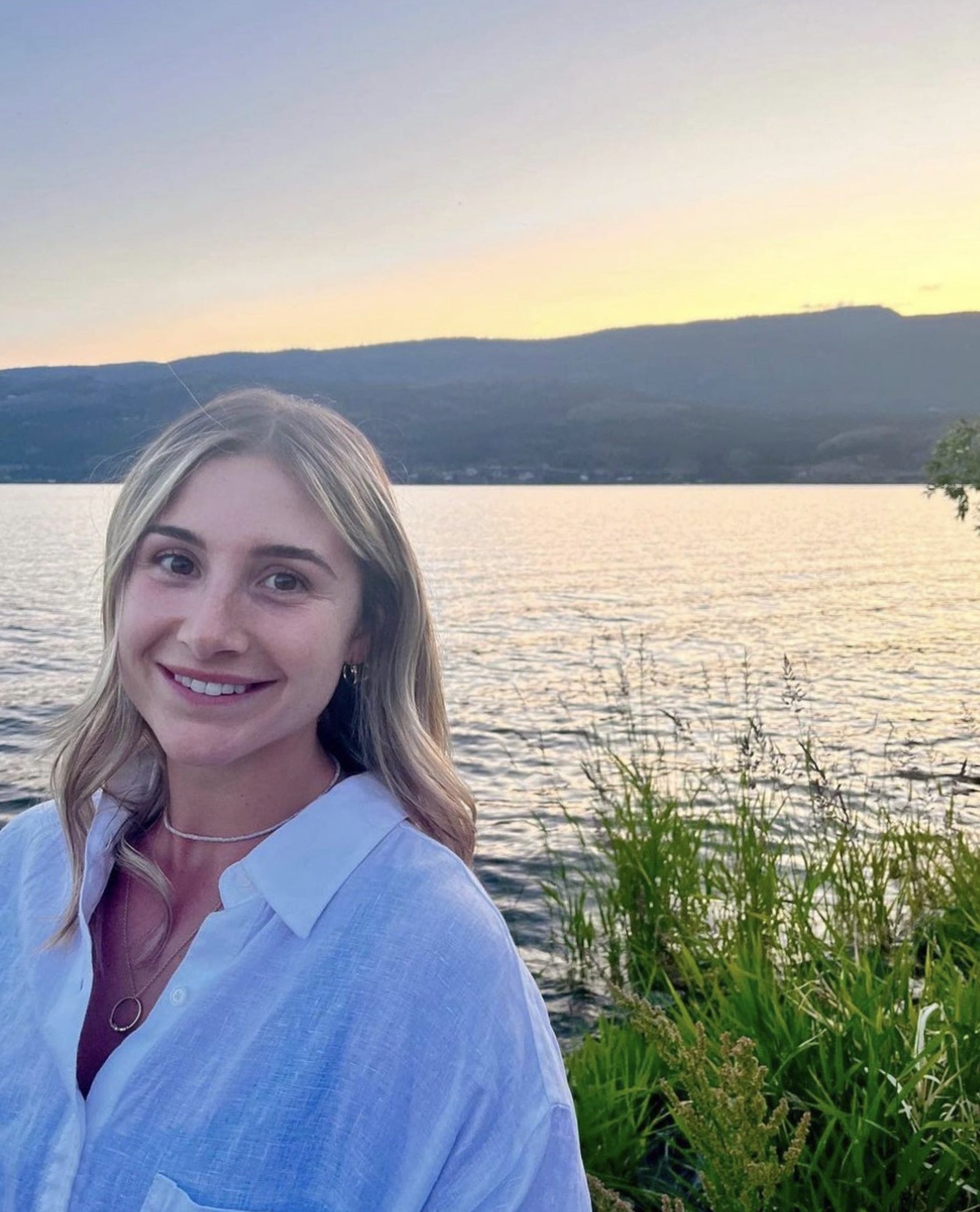
Madi Maitz, RCC, RSW, MSW
Madi is a Registered Clinical Counsellor, Registered Social Worker and the owner of Mind Movement Therapy & Wellness in Kelowna, BC. She holds a Master’s degree in Clinical Social Work from UBC Okanagan and integrates approaches such as EMDR, somatic practices and polyvagal-informed therapy into her work.
References
Fees, coverage limits and regulatory information were reviewed on October 19, 2026. Information may change, so readers should confirm current details directly with the relevant organization.
- BC Ministry of Health. Regulation of Psychotherapy: Questions and Answers. Updated August 27, 2026. gov.bc.ca
- BC Association of Clinical Counsellors. RCC eligibility requirements. bcacc.ca
- BC Association of Clinical Counsellors. Why choose an RCC. bcacc.ca
- BC College of Social Workers. Clinical registration; Social Workers Act, SBC 2008, c. 31. bccsw.ca
- College of Health and Care Professionals of BC. Psychologists: registration requirements; Health and Care Professionals Regulation, B.C. Reg. 131/2025. chcpbc.org
- Canadian Counselling and Psychotherapy Association. Canadian Certified Counsellor certification. ccpa-accp.ca
- BC Association of Clinical Counsellors. 2026 Fee Guide. March 27, 2026. bcacc.ca
- BC Psychological Association. BCPA recommended rate 2025 to 2026. psychologists.bc.ca
- Statistics Canada. Mental disorders and access to mental health care. The Daily, September 22, 2023. statcan.gc.ca
- HeretoHelp. How can I see a counsellor? heretohelp.bc.ca
- Pacific Blue Cross. Personal health insurance plans. pac.bluecross.ca
- BC Association of Clinical Counsellors. Advocacy: extended health coverage for RCCs. bcacc.ca
- ICBC. Enhanced Care: overview of care and recovery benefits. icbc.com
- UBCO Students' Union. UBCO student mental health resources. September 9, 2024. suo.ca
- First Nations Health Authority. Mental health benefits; Mental Wellness and Counselling client FAQ. fnha.ca
- Government of British Columbia. Crime Victim Assistance Program: financial assistance and benefits. Updated March 16, 2026. gov.bc.ca
- Canada Revenue Agency. Authorized medical practitioners for the purposes of the medical expense tax credit. Updated January 22, 2026. canada.ca
- Flückiger C, Del Re AC, Wampold BE, Horvath AO. The alliance in adult psychotherapy: a meta-analytic synthesis. Psychotherapy. 2018;55(4):316-340. doi:10.1037/pst0000172
- Swift JK, Callahan JL, Cooper M, Parkin SR. The impact of accommodating client preference in psychotherapy: a meta-analysis. Journal of Clinical Psychology. 2018;74(11):1924-1937. doi:10.1002/jclp.22680
- Interior Health. Access mental health and substance use services, Kelowna. interiorhealth.ca
- Foundry Kelowna. foundrybc.ca/kelowna
- CMHA Kelowna. Virtual counselling services. cmhakelowna.com
- BounceBack BC. bouncebackbc.ca
- Government of British Columbia. Help Starts Here: mental health and substance use supports. helpstartshere.gov.bc.ca
This article is intended for general educational purposes and is not a substitute for individual medical, mental health, legal or tax advice.